Featured

Table of Contents
We've compared the leading FinFit options for 2026, including Origin, Bank of America Work Environment Benefits, YNAB, and SmartDollar, with Your Cash Line standing apart as the leading solution. Unlike product-driven platforms, Your Money Line delivers a really comprehensive monetary health experience: individualized for every single employee, backed by licensed financial coaches, and developed to get rid of the root cause of financial stress, not simply manage its symptoms.
Think about how we approach physical health at work. When an employee gets sick, we don't simply hand them a prescription and send them on their way, we invest in preventive care, annual checkups, and wellness programs that keep them healthy before a crisis hits.
The emergency room costs more than the yearly physical. Financial wellness works exactly the very same method.
And like the ER check out, that prescription can feel like a lifesaver in the moment. But if the underlying cause, no budget plan, no cost savings habit, no monetary roadmap, is never resolved, the next emergency is currently on its way. And the one after that. Each short-term repair leaves workers with a little less monetary cushion than previously, making the next crisis most likely, not less.
They treat the sign. They do not treat the illness. And for HR leaders evaluating monetary health advantages on a tight spending plan and a tight timeline, the "low-priced, low-commitment" appeal of a product-driven platform can be truly enticing, until you realize that the cost isn't just the licensing cost. It's the turnover, the absenteeism, the lost productivity, and the intensifying financial stress of a workforce that keeps needing the ER since nobody ever assisted them get healthy in the first place.
Vital Principles for Economic Stability in 2026
They're the yearly physical, not the emergency room., 62.48% of staff members say monetary stress has a significant or moderate impact on their focus and efficiency at work, and nearly seven in ten (68.61%) are actively thinking about a job change or decreasing their work hours as a result.
Almost three in 4 (72%) workers say they would likely use financial coaching or wellness tools if their company provided them. The obstacle is that today's labor force spans multiple generations with different monetary beginning points, different spending pressures, and different levels of monetary literacy. What a per hour worker needs at 25 looks nothing like what a mid-career worker requires at 45.
Its freemium base layer is easy to implement, and for staff members facing a real short-term cash crisis, the platform's emergency credit and loan offerings can feel like a lifeline. Here's what that framing misses out on: a staff member who needs a loan today and takes one out through FinFit will have less cash in their next paycheck.

And the month after that. It's worth noting that FinFit does use tools beyond financing, budgeting dashboards, monetary evaluations, and education material are all part of the platform. In practice, those tools exist alongside a company design built around credit and loans, and that stress is tough to deal with.
When the business is built around financing, the platform succeeds when employees obtain. That's a structural conflict of interest that no quantity of budgeting content or monetary education can fully offset.
Should You Improve Your Credit Standing in 2026?
It's determined in turnover, absenteeism, distracted workers, and healthcare costs tied to stress-related illness. A benefit that treats the symptom without attending to the origin doesn't lower those costs. It postpones them. The concern every HR leader should be asking isn't "what does this advantage expense per employee annually?" It's: "Is this advantage actually making my employees more solvent, or is it just making them more comfy being economically unstable?" Users have noted that linking numerous bank accounts can be troublesome, and classifying costs becomes time-consuming to manage.
FinFit does not openly reveal its rates, and Gartner Peer Insights customers flag a "big license fee and execution cost per deal", making it difficult for HR teams to prepare for the real cost before devoting. The more important expense isn't the one the company pays. FinFit's personal loans are issued through Celtic Bank, suggesting the employer effectively passes the monetary burden onto the worker, who is already struggling.

The platform's freemium label refers to the employer's expense, not the employee's. Users report that FinFit's range of tools can feel frustrating at initially, needing a considerable ramp-up duration before employees feel comfortable navigating the platform. Several have likewise noted a desire for more modification, especially around budgeting categories to make the experience feel more pertinent to their specific monetary scenario.
Mastering Your Wealth in 2026
Your Cash Line is a coaching-first monetary health advantage that combines licensed human coaches with AI-powered tools to help employees make much better money decisions throughout every area of their financial life, constructing the knowledge, self-confidence, and habits that develop lasting monetary stability. Pros: No loans. No credit lines.
We just win when you do. Origin mixes AI-driven tools with access to certified financial coordinators, covering everything from net-worth tracking and tax preparation to investing and estate preparation. It tends to be a strong fit for companies with higher-income staff members or those navigating more complex financial scenarios like equity settlement and stock options.

Latest Posts

Effective Strategies for 2026 Money Planning
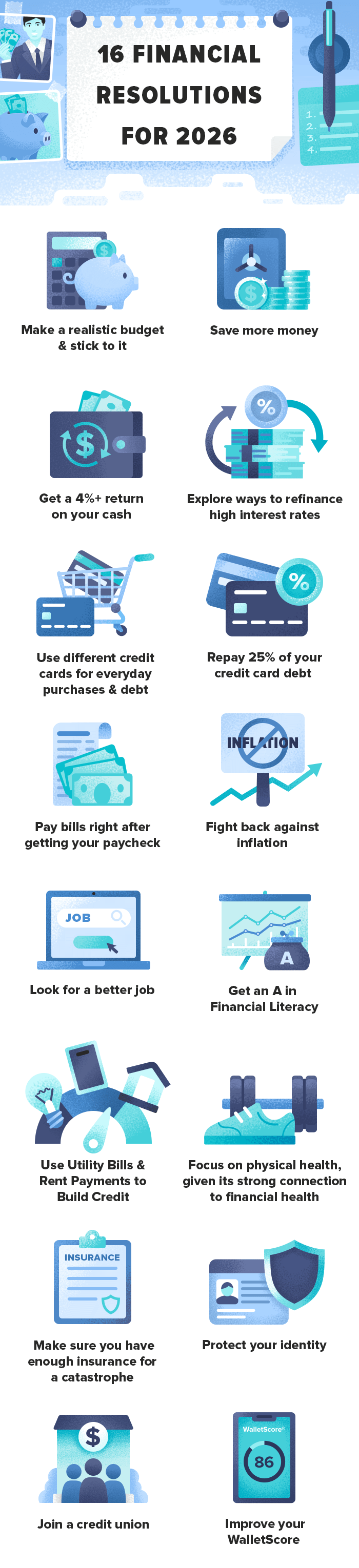
Testing Digital Apps for Optimal Financial Wellness

Effective Strategies for Save More Cash in 2026